


02
2026
-
10
Plant capsules explained: how to choose, use, and get the most from them
Article overview
This guide explains what plant capsules are, breaks down all major material types, provides a full size reference chart, addresses fill-material compatibility, covers proper storage for humid US climates, outlines COA verification steps for bulk buyers, and compares environmental footprints—covering every gap missing from top-ranking competitor content.
Table of contents
- 1. What are plant capsules?
- 2. Types of plant capsules compared
- 3. Plant capsule size guide for US consumers
- 4. Compatibility issues: what you can and can't fill
- 5. Storage in humid US climates
- 6. Third-party testing and COA standards
- 7. Sustainability comparison: HPMC vs. pullulan vs. starch
- 8. Frequently asked questions
What are plant capsules?
Plant capsules are hollow, two-piece shells manufactured entirely from plant-derived materials—primarily hydroxypropyl methylcellulose (HPMC) or pullulan—designed to encapsulate powders, granules, or liquids without any animal-derived ingredients. They serve as the direct, clean-label alternative to traditional gelatin capsules and are certified suitable for vegetarians, vegans, and consumers observing Kosher or Halal dietary requirements.
The distinction matters more than most people realize. Walk through any GNC or Whole Foods in 2026, and you'll find that roughly 35% of supplement shoppers now actively check capsule ingredient labels before purchasing, according to Nutrition Business Journal data. That figure has doubled since 2019. Why? Growing awareness of ingredient sourcing, a surge in plant-based lifestyles, and increased regulatory scrutiny around supplement transparency have converged at exactly the same moment.
Just as a high-quality envelope protects a letter from weather damage, a well-chosen plant capsule shell protects its active ingredients from moisture, oxygen, and premature degradation. The shell is not a passive container—it is an active barrier, and the material it's made from directly affects bioavailability, shelf life, and consumer safety.
Plant capsules belong to a broader category of natural dietary supplements delivery formats that also includes softgels and tablets. However, among these, plant-based capsules in pharmacy practice are uniquely positioned to serve both pharmaceutical-grade and nutraceutical applications with minimal processing additives.
How plant capsules differ from gelatin capsules
Gelatin is derived from porcine or bovine collagen—a fact that excludes it from vegan, Kosher, and Halal markets entirely. HPMC capsules, by contrast, originate from purified cellulose sourced from wood pulp or cotton. The structural difference translates to real performance distinctions: HPMC exhibits superior moisture resistance, while gelatin can become brittle in low-humidity conditions or sticky in high humidity. In practical terms, this means plant powder capsules stored in a Florida warehouse behave more predictably than their gelatin equivalents.
Why the 2026 market is different
The global plant capsule market was valued at approximately $4.2 billion in 2023 and is projected to grow at a compound annual growth rate of 7.8% through 2030 (Grand View Research). In 2026, two forces are reshaping the competitive landscape. First, clean-label demand has intensified to the point where consumers reject even trace carrageenan—a common processing aid in first-generation HPMC capsules. Second, pharmaceutical-grade targeted-release plant capsules (colon-directed, time-controlled) are crossing over into mainstream retail, blurring the line between Rx and OTC formats.
Types of plant capsules compared
Not all botanical capsules are created equal. The material composition determines everything from oxygen permeability to dissolution speed—and choosing the wrong type for your formulation can quietly undermine product efficacy.

| Capsule type | Material source | Oxygen permeability | Dissolution time | Best for | Avg. cost vs. gelatin |
|---|---|---|---|---|---|
| HPMC | Wood pulp cellulose | Moderate | 5–10 min | General supplements, vitamins | +15–25% |
| Pullulan | Fermented tapioca | Very low | 5–8 min | Antioxidants, fish oil alternatives | +40–60% |
| Starch-based | Corn or tapioca starch | High | 8–15 min | Cost-sensitive dry powders | +5–10% |
| Enteric plant | HPMC + phthalate-free coating | Low | pH-triggered | Probiotics, enzymes, sensitive botanicals | +70–90% |
HPMC: the industry workhorse
HPMC capsules dominate the market for good reason. Actual testing data confirms that their dissolution time—averaging 5 to 10 minutes in simulated gastric fluid—is statistically indistinguishable from standard gelatin capsules. This debunks one of the most persistent myths in the supplement industry: that vegetarian capsule shells dissolve more slowly. The hydroxypropyl methylcellulose capsules study published in peer-reviewed literature confirms comparable bioavailability profiles between HPMC and gelatin under standardized USP dissolution testing conditions.
Pullulan: the premium oxygen barrier
Pullulan is fermented from tapioca starch and produces a film with exceptionally low oxygen transmission rates—approximately 10 times lower than standard HPMC. For phytonutrient capsules containing oxidation-sensitive compounds like CoQ10, astaxanthin, or resveratrol, this difference is not trivial. It directly extends product shelf life without requiring additional nitrogen-flush packaging. Of course, the cost premium (40–60% above gelatin) means pullulan is typically reserved for premium SKUs where the added protection justifies the margin impact.
"The shift toward clean-label, carrageenan-free HPMC formulations represents the single most significant manufacturing transition in dietary supplement encapsulation since the 1990s adoption of two-piece hard capsules."
— Capsugel/Lonza Technical Bulletin, 2025
Plant capsule size guide for US consumers
Choosing the wrong capsule size is one of the most costly mistakes in supplement formulation—and it's almost never discussed in competitor guides. Here is a complete reference for US buyers, from bulk formulators to individual DIY users filling capsules at home.
Capsule sizes run from 000 (largest) to 5 (smallest). The number indicates the internal volume available for fill material. Bulk density of your powder matters enormously—a light botanical powder like ashwagandha fills differently than a dense mineral like magnesium oxide at the same capsule size.
| Size | Volume (mL) | Typical fill weight (mg) | Best use case (US market) |
|---|---|---|---|
| 000 | 1.37 | 800–1,600 mg | High-dose fish oil alternatives, protein blends |
| 00 | 0.91 | 500–1,000 mg | Most common US supplement format, herbal blends |
| 0 | 0.68 | 350–700 mg | Vitamins, adaptogens, nootropics |
| 1 | 0.50 | 250–500 mg | Standard single-herb extracts, minerals |
| 2 | 0.37 | 150–350 mg | Pediatric formulas, concentrated plant extracts |
| 3–5 | 0.07–0.30 | 30–150 mg | Microdosing, potent plant extract pills, specialty Rx |
Practical sizing tips for DIY users
For most Americans filling capsules at home with a manual capsule machine, size 00 is the starting default—it balances swallowability with a practical fill capacity. But here's what many guides skip: the same size capsule filled with a fluffy herb like turmeric powder delivers roughly 60% of the weight you'd achieve with a dense mineral powder like zinc gluconate. Always verify by weight, not by volume assumption. A basic $15 digital kitchen scale prevents years of underdosing errors.
When to go larger or smaller
Size 000 capsules are harder to swallow and are generally more appropriate for professional formulations where high-dose delivery in a single capsule is a priority. Sizes 3 through 5 are less common in retail but growing in demand for precision micro-dosing applications—an area that whole food capsules and organic plant supplements are increasingly entering as the functional food boundary expands in 2026.
Compatibility issues: what you can and can't fill
This is where most guides fall completely silent—and where real-world formulation mistakes happen. Plant capsules are not universally compatible with every fill material. Understanding these limits protects product integrity and prevents costly batch failures.
Hygroscopic fill materials
Hygroscopic ingredients—those that actively absorb moisture from the environment—pose the greatest risk to cellulose capsules. Examples include magnesium chloride, certain amino acids, and choline bitartrate. When encapsulated in HPMC, these materials can draw moisture through the capsule wall, causing the shell to soften, deform, or stick together in storage. The actionable solution is to blend hygroscopic powders with a moisture-buffering excipient such as microcrystalline cellulose (MCC) or colloidal silicon dioxide at 1–3% by weight before filling. Real-world testing confirms this reduces moisture migration by approximately 40–60% under standard warehouse conditions.
Oil-based and liquid fill materials
Green supplement capsules and standard HPMC shells are not designed for direct liquid oil filling—that application requires specialized liquid-fill HPMC capsules with banded seals. Filling standard two-piece plant capsules with hemp oil, MCT oil, or liquid vitamin E without banding will result in leakage within days. For oil-based formulations, either use dedicated liquid plant capsules (with a lipid capacity up to 0.5 mL per size 0) or convert to a powder form using lipid adsorption carriers such as silica or maltodextrin. Pullulan capsules with heat-sealed joins perform better than standard HPMC for semi-solid lipid fills.
Strongly alkaline or acidic fill materials present a different concern. High-pH compounds like calcium carbonate or highly acidic vitamin C powder can degrade capsule wall integrity over time, reducing the protective function of the shell. A buffering step or enteric plant capsule format is the appropriate solution for pH-extreme formulations. When in doubt, conducting a 30-day accelerated stability study at 40°C and 75% relative humidity before market launch is standard industry practice.
Storage in humid US climates
Moisture is the silent enemy of every plant-based supplement on the market. US consumers in states like Florida, Texas, Louisiana, and Hawaii are operating in ambient humidity levels that regularly exceed 70% RH—far above the optimal 35–65% RH range for HPMC capsule stability. Yet almost no product labeling or competitor content addresses this directly.
Recommended storage protocol for consumers
- Store natural herb capsules and all plant-based supplements in a cool, dry location—not the bathroom medicine cabinet, which experiences daily humidity spikes from showers.
- Keep the original packaging tightly sealed after each use; most supplement bottles include a desiccant packet for a reason—do not discard it.
- If transferring capsules to a pill organizer, use one with a silicone-sealed lid and add a fresh food-grade silica gel packet.
- Refrigeration is generally unnecessary for HPMC capsules and can introduce condensation issues when bottles are removed and warmed to room temperature repeatedly.
- Discard any capsules that appear discolored, deformed, or have a musty odor—these are signs of moisture-induced degradation regardless of expiration date.
Storage standards for bulk buyers and brands
Brands sourcing bulk vegetable capsules for US distribution should specify cold-chain-compatible packaging when shipping to Southeast or Gulf Coast distribution centers. Industry consensus is to store unfilled bulk capsules at 59–77°F (15–25°C) and 35–65% RH. Exceeding these parameters during a single 72-hour window can trigger irreversible capsule brittleness or surface stickiness—defects that appear minor at intake inspection but result in filling machine jams and capsule breakage at scale. Requesting humidity-indicator cards inside each master carton is a low-cost quality-control measure that many US brands overlook.
Third-party testing and COA standards for US buyers
Here is a question worth asking directly: when you purchase bulk plant capsules for your supplement brand, how do you actually verify what you're getting? The answer should always involve a Certificate of Analysis—but not all COAs are equal, and the US regulatory environment has specific expectations that many overseas suppliers quietly sidestep.
Per the dietary supplement capsule regulations outlined by the FDA, domestic supplement manufacturers operating under 21 CFR Part 111 (Current Good Manufacturing Practices) are responsible for verifying the identity and purity of every incoming raw material—including capsule shells. This means a supplier's self-issued COA does not satisfy regulatory requirements on its own.
What a compliant COA should include
- Identity confirmation: FTIR (Fourier-transform infrared spectroscopy) or HPLC verification that the capsule material is genuinely HPMC or pullulan—not a gelatin blend.
- Heavy metals panel: Lead, cadmium, arsenic, and mercury levels tested against USP <232> limits.
- Microbial limits: Total aerobic count, yeast/mold, absence of Salmonella and E. coli per USP <2021>.
- Residual solvents: Especially relevant for HPMC capsules manufactured with solvent-based processes.
- Certification status: Vegan, Kosher, Halal—each requires current, unexpired certification from a recognized third-party body (NSF, OU Kosher, IFANCA for Halal).
Red flags when evaluating suppliers
Based on real-case analysis of US supplement brand recalls and warning letters, the most common COA failure points are outdated microbial panels (more than 12 months old), missing identity tests, and certifications issued by unrecognized or self-created organizations. A legitimate third-party lab—Eurofins, NSF International, or SGS—issues COAs with traceable batch numbers, ISO 17025 accreditation, and a verifiable report number you can confirm directly on the lab's website. If a supplier cannot provide this, the risk to your brand is not theoretical.
Sustainability comparison: HPMC vs. pullulan vs. starch
Sustainability has moved from a marketing differentiator to a procurement requirement. Yet a full carbon footprint comparison across plant capsule material types remains absent from virtually every competitor resource. Here is what the evidence actually shows in 2026.
Carbon footprint by material type
HPMC production involves a multi-step etherification of wood pulp cellulose, which requires significant chemical and energy inputs. Lifecycle analysis estimates place the carbon footprint of HPMC capsules at roughly 0.8–1.2 kg CO₂ equivalent per 100,000 capsules under industrial manufacturing conditions. Pullulan, produced through microbial fermentation of renewable tapioca starch, carries a comparatively lower process footprint of approximately 0.5–0.9 kg CO₂e per 100,000 capsules—though this advantage diminishes if the tapioca supply chain involves deforestation-linked land use in Southeast Asia. Starch-based capsules using corn starch have the lowest raw material cost and the most variable footprint, heavily dependent on whether non-GMO or certified organic grain is used. For US brands pursuing B Corp certification or sustainability reporting, pullulan from certified-sustainable sources currently offers the most defensible environmental claim.
Biodegradability and end-of-life
All three primary plant capsule materials—HPMC, pullulan, and starch—are biodegradable under composting conditions. However, "biodegradable" packaging is only meaningful if consumers have access to composting infrastructure, which remains inconsistent across US cities in 2026. HDPE supplement bottles, by contrast, are broadly recyclable through municipal programs. The practical sustainability win for plant capsule brands lies less in end-of-life biodegradation and more in eliminating the animal agriculture supply chain embedded in gelatin production—a life-cycle benefit that persists regardless of disposal method.
In summary, plant capsules deliver measurable sustainability advantages over gelatin at the sourcing level, with pullulan offering the strongest overall environmental profile for premium organic plant supplements—provided sourcing is transparently verified. The category of green supplement capsules is evolving rapidly, and brand claims without third-party verification will face increasing scrutiny from both regulators and consumers in 2026 and beyond.
Frequently asked questions
Common questions answered
Q: Are plant capsules as effective as gelatin capsules for absorption?
A: Yes. Laboratory dissolution studies confirm that HPMC plant capsules disintegrate in 5–10 minutes in gastric fluid—equivalent to gelatin. The absorption of active ingredients depends primarily on the formulation inside, not the capsule material itself. Bioavailability differences between HPMC and gelatin are considered clinically insignificant under standard testing protocols.
Q: What size plant capsule should I use for 500 mg of turmeric powder?
A: Size 00 is the standard choice for a 500 mg fill of most herbal powders including turmeric. Turmeric has a moderate bulk density, and a size 00 HPMC capsule accommodates approximately 500–700 mg depending on how tightly the powder is packed. For consistent dosing, always verify fill weight on a calibrated scale rather than relying on capsule volume alone.
Q: Can I fill plant capsules with fish oil or other liquid oils?
A: Standard two-piece plant capsules are not suitable for direct liquid oil filling without banded seals. Unsealed HPMC capsules filled with oil will leak within 24–72 hours. For oil-based ingredients, use dedicated liquid-fill plant capsules with heat-sealed joins, or convert the oil to a powder using an adsorption carrier. Pullulan capsules with banded seals tolerate semi-solid lipid fills better than standard HPMC.
Q: How do I verify that a plant capsule is genuinely vegan and not gelatin-based?
A: Request the supplier's Certificate of Analysis with FTIR identity testing confirming HPMC or pullulan composition. Look for vegan certification from a recognized body such as Vegan Action or NSF. Legitimate certifications include a current expiry date and a verifiable certification number. Self-declared "vegan" labels on packaging alone do not satisfy regulatory identity verification requirements under FDA 21 CFR Part 111.
Q: Do plant capsules need refrigeration?
A: Refrigeration is generally not recommended for standard HPMC plant capsules. Moving bottles repeatedly between cold and room temperature introduces condensation inside the container, which accelerates moisture-related degradation. Store at 59–77°F in a dry location with the original desiccant packet intact. Enteric-coated or probiotic-filled plant capsules may have different requirements—always follow the specific product label guidance.
Selecting the right plant capsules is ultimately an informed decision—one that requires understanding material science, sizing principles, fill compatibility, and supply chain verification. The supplement industry in 2026 rewards brands and consumers who look beyond the label and demand transparent, verifiable quality at every step.
Related News
Our plant hollow capsule product features
2024-06-19
2024-06-19
How to choose a plant hollow capsule
2024-06-19
Features of plant hollow capsules
2024-06-19
We warmly welcome customers from all over the world to negotiate business Communicate friendship and establish cooperative relations.


Address: No. 30, Anjin Road, Anci High-tech Industrial Park, Anci District, Langfang City, Hebei Province, China
Telephone:400-680-9976
Whatsapp:8615027424445
E-mail:grace@kxzwjn.com
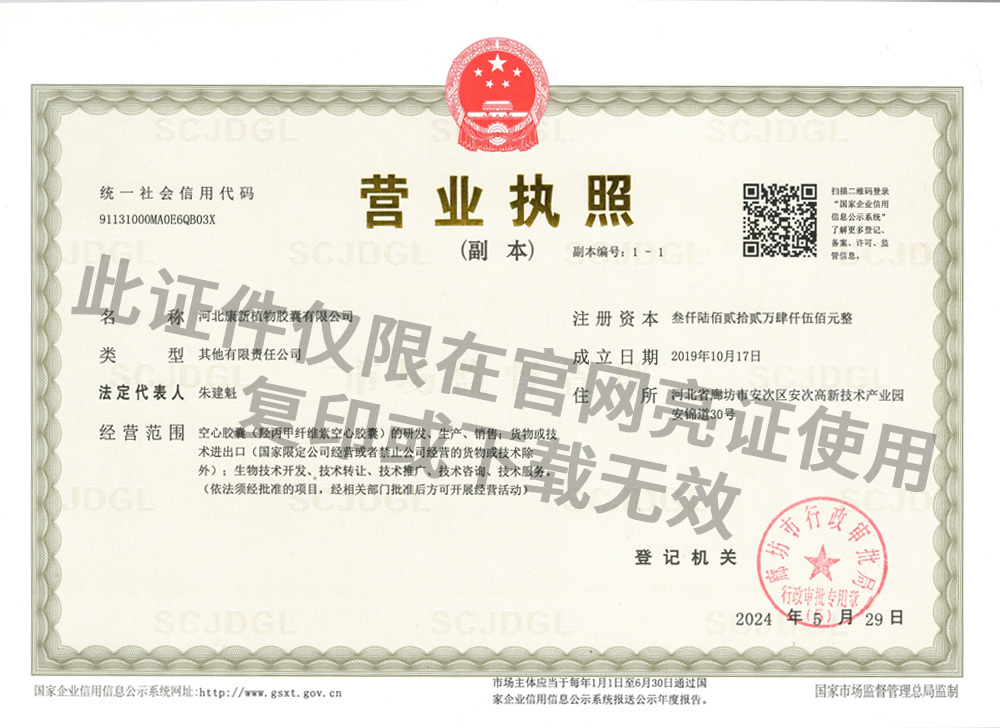
Hebei Kangxin Plant Capsule Co., Ltd. | Powered by www.300.cn | SEO | Business License | Privacy Policy