


20
2026
-
01
Printed Capsules: Bridging the Gap Between Functionality and Design in Pharmaceutical Packaging
Introduction to Printed Capsules: Where Functionality Meets Design
In the ever-evolving realm of pharmaceutical packaging, **printed capsules** have emerged as a pivotal development, seamlessly integrating **functionality** and **design**. These capsules not only serve their primary role of delivering medication but also offer a canvas for branding and patient education. As the demand for personalized and identifiable medications rises, the significance of printed capsules becomes increasingly evident.
The Importance of Packaging in the Pharmaceutical Industry
**Packaging** in the pharmaceutical industry is vital for several reasons:
- **Protection of Contents**: Capsules must safeguard active ingredients from environmental factors such as moisture, light, and air.
- **Patient Safety**: Clearly labeled and distinctively designed capsules help prevent medication errors and enhance adherence.
- **Brand Differentiation**: With a crowded market, unique packaging can set a brand apart, making it instantly recognizable to consumers.
Understanding Printed Capsules
Printed capsules are gelatin or vegetarian capsules adorned with various designs, colors, and texts. This printing technology allows for the incorporation of:
- **Brand Logos**: Enhancing brand visibility.
- **Dosage Information**: Communicating essential information directly on the capsule.
- **Interesting Designs**: Attracting consumers' attention and improving user experience.
The Technology Behind Printed Capsules
The manufacturing of printed capsules has evolved with advancements in technology. The process generally includes the following steps:
1. **Capsule Production**: Capsules are produced using gelatin or plant-based materials.
2. **Printing Process**: Advanced printing techniques such as flexographic, digital, or screen printing are utilized to apply designs.
3. **Quality Control**: Rigorous testing ensures that the printed design adheres perfectly and withstands various environmental conditions.
Benefits of Using Printed Capsules
The benefits of printed capsules extend across various dimensions, making them an attractive option for pharmaceutical companies.
1. Enhanced Brand Recognition
With customizable designs, printed capsules allow brands to create a strong identity that resonates with consumers. This visual appeal can significantly influence purchasing decisions.
2. Improved Compliance and Safety
By providing essential information directly on the capsule, patients are more likely to understand their medication regimen, leading to improved adherence and reduced medication errors.
3. Marketing Opportunities
Printed capsules can serve as a unique marketing tool. Creative designs can engage consumers and create a memorable impression, fostering customer loyalty.
4. Eco-Friendly Options
With increasing environmental concerns, many manufacturers offer biodegradable or environmentally friendly capsule materials. This not only meets consumer demand for sustainability but also positions brands as responsible players in the market.
Challenges in Printed Capsule Production
While the advantages of printed capsules are numerous, the production process is not without challenges. Some of these include:
1. Printing Quality Control
Ensuring that the print quality meets the industry standards is critical. This includes verifying that the print is legible, durable, and free from defects.
2. Regulatory Compliance
Pharmaceutical packaging is heavily regulated. Manufacturers must ensure that printed capsules comply with various regulatory requirements in different markets, which can vary significantly.
3. Cost Considerations
The initial investment in printing technology and materials can be significant. However, the long-term benefits often outweigh these costs as brands gain recognition and market share.
Future Trends in Printed Capsules
The future of printed capsules looks promising, driven by several emerging trends:
1. Personalization
As personalized medicine continues to grow, the demand for tailored capsules will increase. Printed designs can reflect individual patient needs, enhancing the overall experience.
2. Technological Advancements
Innovations in printing technology will allow for even more intricate designs and improved durability. Digital printing, in particular, offers flexibility and lower production costs for smaller batches.
3. Sustainability Focus
With a growing emphasis on sustainability, future printed capsules will likely incorporate more eco-friendly materials and processes, appealing to environmentally conscious consumers.
Conclusion
In conclusion, **printed capsules** are not just a trend in pharmaceutical packaging; they are a necessary evolution that bridges the gap between functionality and design. By enhancing brand recognition, improving patient compliance, and offering unique marketing opportunities, printed capsules are set to revolutionize the way medications are presented and consumed. As technology advances and the demand for personalization and sustainability grows, the potential for printed capsules will only expand. Embracing these innovations positions brands not just as providers of medication, but as leaders in a dynamic and ever-changing industry.
FAQs about Printed Capsules
1. What materials are used to make printed capsules?
Printed capsules are typically made from gelatin or plant-based materials such as HPMC (hydroxypropyl methylcellulose).
2. Are printed capsules safe for all patients?
Yes, printed capsules are safe for most patients. However, individuals with gelatin allergies should opt for plant-based alternatives.
3. How do printed capsules improve medication adherence?
By providing clear dosage and branding information, printed capsules help patients easily identify their medications, reducing the likelihood of errors.
4. Can printed capsules be customized for my brand?
Absolutely! Many manufacturers offer customizable options for printed capsules, allowing you to create a unique design that aligns with your brand identity.
5. What are the environmental impacts of printed capsules?
The environmental impact can vary based on materials used. Opting for biodegradable and eco-friendly options can minimize the ecological footprint of printed capsules.
printed capsules for pharmaceutical use
Related News
Our plant hollow capsule product features
2024-06-19
2024-06-19
How to choose a plant hollow capsule
2024-06-19
Features of plant hollow capsules
2024-06-19
We warmly welcome customers from all over the world to negotiate business Communicate friendship and establish cooperative relations.


Address: No. 30, Anjin Road, Anci High-tech Industrial Park, Anci District, Langfang City, Hebei Province, China
Telephone:400-680-9976
Whatsapp:8615027424445
E-mail:grace@kxzwjn.com
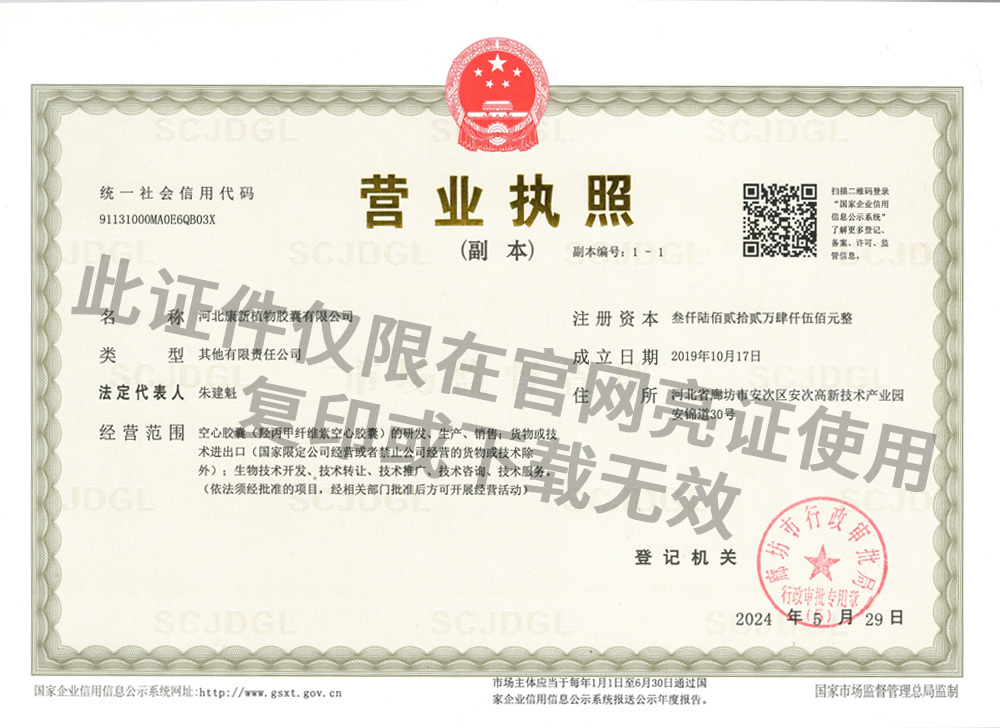
Hebei Kangxin Plant Capsule Co., Ltd. | Powered by www.300.cn | SEO | Business License | Privacy Policy